DIY Spice Blends Generator
A good spice blend turns five minutes of cooking into something that tastes like Sunday dinner. Pick a blend below for the full ingredient list — 50 classics from soul food staples to global favorites.
A Home Cook’s Spice Library
DIY Spice Blend Generator
Fifty classic and regional spice blends to mix at home — from soul food and Southern staples to global classics. Just combine all the ingredients and store in an airtight jar.
Ingredients
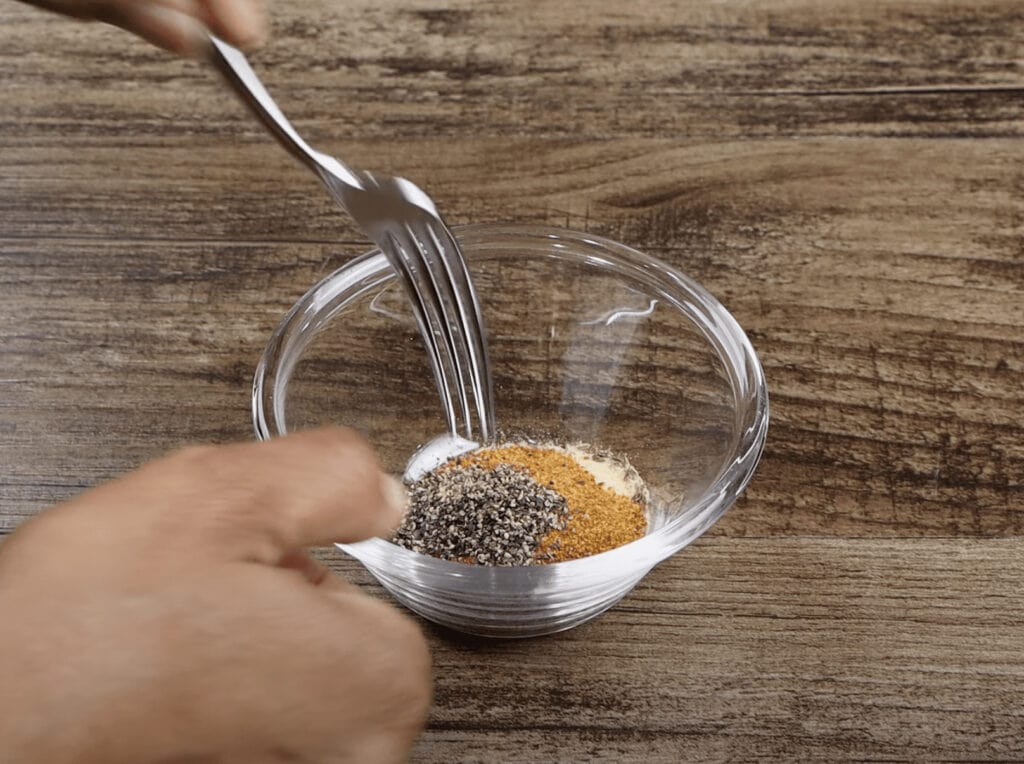
Combine all ingredients in a small bowl, stir well, and transfer to an airtight jar. Store in a cool, dark place for up to 6 months.
Scroll down for the story behind each blend, the science of why homemade tastes better, and answers to the questions cooks ask most about spice mixes.
Why Make Your Own Spice Blends at Home?
Store bought spice blends are convenient. They’re also full of stuff you didn’t ask for. Anti-caking agents. MSG. Sometimes more salt than spice. And the prices keep climbing — a small jar of jerk seasoning at the grocery store now runs five or six dollars for what amounts to about three tablespoons of mix.
Making your own at home costs less, tastes fresher, and lets you control the salt. You probably already have most of the spices in your cabinet. The blend is just the recipe that ties them together.
There’s another reason worth mentioning. Homemade blends taste better because the spices haven’t been sitting in a warehouse for two years before they got to you. Ground spices lose their punch within about six months of opening the jar. The blend you mix tonight, with spices you bought this season, will taste sharper and more alive than anything off the shelf. Once you taste the difference, the grocery store aisle starts to feel like a waste of money.
The blends in this tool cover everything from Sunday collards to Friday taco night, plus international favorites like garam masala, ras el hanout, and shichimi togarashi. Pick one, mix it up, and store it in a small jar in a dark cabinet.
The 50 Spice Blends, Grouped by What You’re Cooking
Soul Food and Southern Staples
The blends that show up in Sunday dinner kitchens.
- Soul Food Greens Seasoning is built for slow simmered collards, mustards, and turnip greens. Smoked paprika, brown sugar, granulated chicken bouillon, and red pepper flakes give it the savory-sweet-smoky balance that pairs with smoked turkey or ham hocks in the pot.
- Southern Fried Chicken Seasoning is the flour dredge for classic buttermilk fried chicken. Paprika, garlic, onion, white pepper, cayenne, and thyme. Use about a quarter cup per two cups of flour.
- Nashville Hot Chicken Spice is the cayenne and brown sugar dry blend that gets mixed with hot frying oil and brushed over freshly fried chicken to make it Nashville hot.
- Cajun Seasoning comes out of Louisiana with paprika, cayenne, garlic, and oregano. Bold, spicy, and good on almost anything.
- Creole Seasoning is the slightly more herbaceous cousin to Cajun, in the Tony Chachere and Emeril Lagasse tradition.
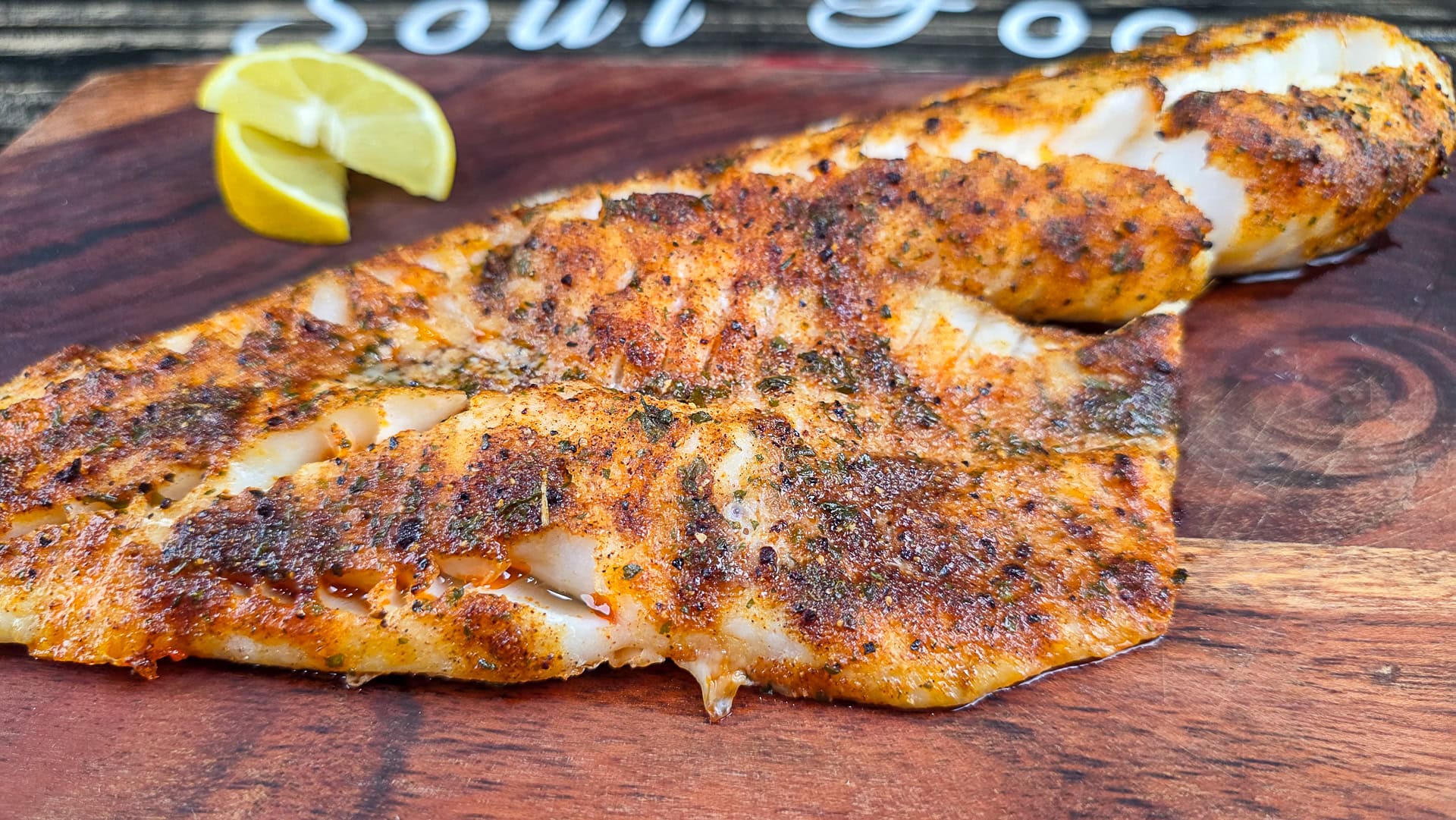
- Blackening Seasoning is the fiery rub Paul Prudhomme made famous in the 1980s for searing fish in a hot cast iron skillet.
- Louisiana Crab and Seafood Boil is the coarse whole-spice mix you tie in cheesecloth and drop into the pot for shrimp, blue crab, or crawfish. Closer to Zatarain’s than Old Bay.
BBQ Rubs
The dry rubs that build the bark on smoked and grilled meat.
- Kansas City BBQ Rub is the sweet and smoky brown sugar rub for ribs and pulled pork.
- Memphis BBQ Rub is paprika heavy with less sugar, the standard for Memphis dry-rubbed ribs.
- Texas BBQ Rub is the minimalist Aaron Franklin tradition — equal parts coarse kosher salt and 16-mesh black pepper. That’s it. Optional garlic and onion powder if you want to break tradition.
- Pork Rub is the all-purpose sweet and savory rub for ribs, shoulder, or chops.
- Beef Rub is built for steaks, roasts, and brisket. Heavier on smoked paprika and coarse pepper.
- Chicken Rub rounds out the section with paprika, thyme, rosemary, and sage for roasted or grilled bird.
Everyday All-Purpose Blends
The jars that earn their spot at the front of the cabinet.
- Seasoning Salt is the homemade Lawry’s. Goes on fries, chicken, eggs, popcorn, and pretty much anything that needs a little something.
- Lemon Pepper Seasoning is bright and zesty for chicken wings, fish, and roasted vegetables.
- Adobo Seasoning is the all-purpose Latin American seasoning. The yellow turmeric version is authentic to Puerto Rican-style adobo.
- Sazón Seasoning is the vibrant orange-red Latin Caribbean blend colored by ground annatto. Works on rice, beans, stewed meats, and sofrito.
- Old Bay Seasoning Copycat is the full 12-ingredient version of the Chesapeake Bay classic. Works on crabs, shrimp, fries, popcorn, and Maryland deviled eggs.
- Everything Bagel Seasoning is the crunchy topping for bagels, avocado toast, eggs, and salads.
- Herbed Salt is the simple finishing salt that makes any dish feel a little more put together.
- Ranch Seasoning Mix is the dry blend with buttermilk powder that makes ranch actually taste like ranch.
- French Onion Soup Mix is the savory base for dips, soup, and roast seasoning.
Mexican and Tex-Mex
The blends behind taco night and chili weather.
- Taco Seasoning is the zesty blend for ground beef, chicken, or lentils.
- Fajita Seasoning is smoky and citrus tinged for sizzling chicken, beef, or shrimp.
- Chili Powder Blend is built on ground ancho chile, the authentic base for Tex-Mex chili and enchilada sauces.
- Southwest Seasoning is earthy and smoky with deep chili notes for grilling chicken, pork, and beans.
Mediterranean and European
Old world herb blends that make weeknight cooking feel intentional.
- Italian Seasoning is the classic mix for pasta sauces, meatballs, chicken, and vinaigrettes.
- Greek Seasoning is bright and herbaceous for grilled meats, salads, and roasted potatoes.
- Herbes de Provence is the traditional Southern France blend, balanced in the French Label Rouge tradition. The lavender is what makes it.
- Steak Seasoning Montreal Style is the coarse robust blend that turns a grilled steak into a great one.
- Quatre Épices is the classic French four-spice blend for pâtés, terrines, and charcuterie. Use sparingly.
- Poultry Seasoning is the herbaceous Thanksgiving turkey and dressing blend.
Middle Eastern and North African
The blends that smell like a spice market.
- Za’atar is tangy and herbaceous, with thyme, sumac, and toasted sesame. Sprinkle over flatbread, hummus, labneh, or roasted vegetables.
- Baharat is the warm all-purpose Middle Eastern blend for meats, stews, and soups.
- Dukkah is the coarse Egyptian nut and seed blend you serve with olive oil for dipping flatbread. Also great over labneh, hummus, soft-boiled eggs, and roasted vegetables.
- Ras el Hanout is the Moroccan blend whose name means “head of the shop” — the best the spice merchant has to offer.
- Berbere is the spicy and complex Ethiopian blend that’s the heart of doro wat and many other stews.
Indian Subcontinent
The blends that turn a pot of lentils into dinner.
- Garam Masala is the warm cardamom-forward Indian blend for curries, lentils, and roasted vegetables, in the Madhur Jaffrey tradition.
- Tandoori Masala is the fragrant rub built on Kashmiri red chili, garam masala, and warm spices. Whisk into yogurt to marinate chicken, paneer, shrimp, lamb, or cauliflower.
- Curry Powder American Style is the mild yellow curry blend that’s been in American kitchens for generations.
- Masala Chai Spice Blend is the warming cardamom-cinnamon-ginger-clove blend you stir into black tea, whisk into milk for lattes, or fold into fall baking.
East Asian
Pantry blends from across the Pacific.
- Chinese Five-Spice Powder is the pungent licorice-scented blend for roast duck, pork belly, and braises.
- Shichimi Togarashi is the Japanese seven-spice blend that adds a citrusy, spicy kick to noodles, grilled meats, rice bowls, and yakitori.
Caribbean
Heat with backbone.
- Jerk Seasoning is the fiery, aromatic, sweet Jamaican blend for chicken, pork, or fish. Allspice is the soul of it.
Sweet Blends and Holiday Baking
The jars you reach for when the oven goes on for dessert.
- Pumpkin Pie Spice is the quintessential autumn blend for pies, lattes, oatmeal, and sweet potato casserole.
- Apple Pie Spice is the warm cousin to pumpkin pie spice, tailored for apples and fruit pies. The cardamom is what sets it apart.
- Gingerbread Spice is heavier on ginger than pumpkin pie spice, with allspice, cloves, nutmeg, and a pinch of black pepper for holiday baking.
- Cinnamon Sugar is the all-purpose 4:1 shaker for buttered toast, snickerdoodles, French toast, peach cobbler topping, and sweet potato biscuits.
- Mulling Spice is the coarse blend of whole warming spices you steep in apple cider, red wine, or simple syrup. Two to three tablespoons per gallon, simmered 15 to 20 minutes.
Pickling and Preserving
The whole-spice blends that go in the brine, not on the meat.
- Pickling Spice is the coarse blend of mustard seed, coriander, allspice, and bay for pickles, corned beef, and brined vegetables.
FAQ
Homemade spice blends keep about six months in an airtight jar stored in a cool, dark place. After that they don’t go bad, but they start losing their punch. Whole spice blends like pickling spice or mulling spice last longer than ground blends because the oils stay locked inside the seed until you crush or steep them. If a blend smells faint or dusty, it’s time to mix a fresh batch.
Store homemade spice blends in airtight glass jars in a cool, dark cabinet away from the stove. Heat, light, and moisture are the three things that kill spice flavor fastest. The cabinet over the stove is convenient, but it’s the worst spot in the kitchen for spices because of the heat from cooking. A pantry shelf or a drawer works much better.
Yes, most of the time by a lot. Store bought blends often charge a premium for what’s mostly salt and filler. Mixing your own from spices you already have can cut the cost in half or more, and you end up with a bigger jar of fresher seasoning. The savings add up fastest with blends like taco seasoning, ranch mix, and BBQ rubs that get used often.
Yes, almost every blend in this tool can be made salt free. Just leave out the salt and add a little extra of the other spices to keep the proportions right. This is helpful for anyone watching sodium for blood pressure or kidney health. You can always add salt to the dish itself when you cook, which gives you better control than building it into the blend.
Cajun seasoning leans spicier and more rustic, built on paprika, cayenne, and garlic. Creole seasoning is slightly more herbaceous, with extra oregano and thyme, in the tradition of Tony Chachere and Emeril Lagasse. The lines blur in real Louisiana kitchens, but if you want more heat go Cajun, and if you want more herb flavor go Creole.
If you don’t have Old Bay, mix a teaspoon of celery salt, half a teaspoon of paprika, a pinch of black pepper, a pinch of cayenne, and a tiny pinch of dry mustard. That’s the core flavor. The full copycat blend in this tool gets closer to the real thing, but the quick version covers most uses like seafood boils, deviled eggs, and seasoning fries.
Garam masala is a finishing spice from Indian cooking, added at the end of cooking for warm aromatic flavor. It’s heavier on cardamom, cinnamon, cloves, and pepper, with no turmeric. Curry powder is an Anglo-Indian invention designed to be added at the start of cooking. It’s heavier on coriander, cumin, and turmeric, which is what gives it the yellow color. They’re related but not interchangeable.
The best blend depends on how you’re cooking it. For roasted or grilled chicken, the basic Chicken Rub or Greek Seasoning. For fried chicken, the Southern Fried Chicken Seasoning blended into your dredge flour. For wings, Lemon Pepper or Nashville Hot. For sheet pan dinners, Za’atar or Ras el Hanout. Chicken takes seasoning better than almost any other protein, so it’s worth keeping a few of these on hand.
Yes. If you’re out of chili powder, mix a tablespoon of paprika with a teaspoon of ground cumin, a pinch of cayenne, a pinch of garlic powder, and a pinch of dried oregano. That covers the same flavor profile. The taco seasoning recipe in this tool uses chili powder as a base, but it’s really just the convenient package for those individual spices.
Two tablespoons of homemade taco seasoning equals one store bought packet. That’s the right amount to season one pound of ground beef, turkey, or chicken. If you like it stronger, add another half tablespoon. If you’re cooking lentils or beans, add a little more, since they soak up seasoning differently than meat.
A clean coffee grinder dedicated to spices works best, or a small electric spice grinder. A mortar and pestle works too if you want to keep it old school, especially for small amounts. Toast whole spices in a dry skillet for a minute or two before grinding to wake up the oils — the difference in flavor is significant. Just don’t use the same grinder for coffee unless you want cumin in your morning brew.
Most don’t. The blends in this tool are ready to use straight from the jar. A few benefit from toasting whole spices before grinding, like Dukkah and Garam Masala, where toasting brings out the oils. Once a blend is mixed, no extra cooking step is needed. Just sprinkle, rub, or stir into whatever you’re making.